Watercolours are the best-known paints in the world. After all, everyone who has ever been a child (and that’s everyone) 🙂 tried painting with watercolours at school or at home. Back then it was easy to dive into creativity with a box of watercolours that were so well suited to children’s painting.
Watercolours don’t just satisfy children’s urge to paint — professional artists create masterpieces with these water-soluble paints too.
Surprisingly, it’s a fact that watercolours first appeared in the country where paper was invented. Watercolour painting was born in China. Paper and watercolours reached Europe much later — “Wikipedia” can tell you more about that.
Watercolour painting technique
The first thing I want to say is that watercolours are fundamentally different from gouache, oils and acrylics. How? The main advantage and rule of watercolour is its transparency, whereas gouache and oil have excellent covering power and can easily “paint over” the layer underneath. So in watercolour you have fewer chances to correct a mistake. Watercolour is easiest to paint on paper, which I recommend “moistening” with water first so that the brush moves freely and the colour flows easily onto the sheet. To keep the paper from “buckling”, it’s often fixed to an easel or board with tape, pins or special clips.
What I think is important to note is that in watercolour you work from light tones to dark ones. As in other kinds of painting, pictures are built up in layers. Why? The lower layers will show through, and it’s easier to cover light with dark than the other way around (I’m talking about my own habits — if someone does it differently, I don’t consider it a mistake).
The paint on your brush should be “watery”. That is, when you run a brush loaded with watercolour across the paper, the texture of the paper should be easily visible beneath the transparent layer.
Continuing like this, layer by layer, you get incredibly beautiful, multi-layered painting. Wet-on-wet watercolour lets colours blend beautifully right on the paper and gives lovely transitions and shades.
Watercolour technique also includes working “dry”: you don’t wet the sheet with water, but start painting straight onto the paper. This way the paint doesn’t spread or mix with other colours, and crisp lines stay exactly where the brush put them. Before applying the next layer on top, you need to wait for it to dry (with watercolour, this happens quickly).
This way, watercolour paintings are created much faster than oil paintings (unless you work alla prima), which means you’ll have more time to create lots of your own masterpieces.
Even though children often paint with watercolours, this paint is no less beautiful or demanding than oil painting. There are thousands of artists around the world who sell their watercolour paintings for good money.
Types of watercolour
What kinds of watercolour are there?
Watercolour is divided into “sub-types” according to several criteria, purposes and characteristics:
- Amateur or children’s (honey) watercolour + pearlescent watercolour

These paints are grouped together for a reason: everyone knows watercolour from childhood as “honey watercolour”. Children’s watercolour has a small palette (6–12 colours) and will perfectly satisfy your little one’s creative urges. These paints are inexpensive and sold as a set in a single case, but in terms of colours, mixing and colour purity they can’t compare with professional watercolours.
Pearlescent watercolour can also be counted among children’s paints. In quality and price these paints are close to honey watercolour, only with pearlescent pigment added. So when you or your child paint, the colours shimmer with a pearly sheen once dry. These paints are sometimes used to embellish watercolour illustrations too, when the top layers shimmer with tiny sparkles.

Watercolour for professionals has far more colours and shades and much purer colour, both on its own and when mixed. These paints are chosen by artists who paint commissions and have solid experience. They cost much more and are mostly sold individually, as hard cakes, pans or tubes.
- Watercolour cakes.

Hard (dried) watercolour sold individually or in sets. It’s similar to paints in pans, except that it’s usually very hard, almost over-dried — even if you touch it with your finger, it doesn’t smear, unlike pans, where the watercolour is soft.
- Watercolour in pans.

Sold in small pans, from which you can put together the most practical, essential set of paints.
- Watercolour in tubes.

The paint is sold in metal tubes (like oils or acrylics). These paints are actually liquid or semi-liquid, and because no air gets into the tube, they don’t dry out. You can use them by diluting the liquid paint to the transparency you need, or squeeze them into an empty pan — once dry, you can use them like ordinary watercolour, rewetting with water and painting.
- Liquid watercolour.

Beautiful, vivid watercolour shades sold ready in liquid form. Just open the jar and start painting. You can use these paints undiluted, or thin them with water for lighter shades 🙂
- Watercolour pencils

Watercolour pencils look at first glance just like the ordinary coloured pencils adults and children draw with. But the magic begins once you’ve coloured in your drawing. Then you take a brush dipped in water and dissolve the colour right on the drawing. The colour blends and starts to look like watercolour paint. This relatively new invention appeals to adults and children alike.
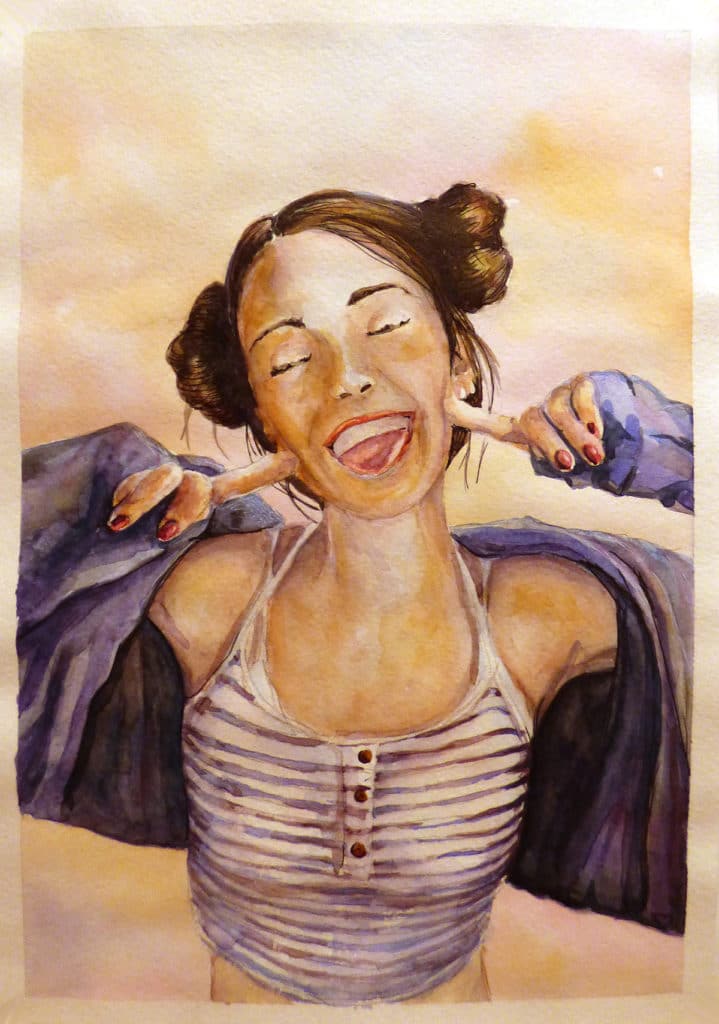
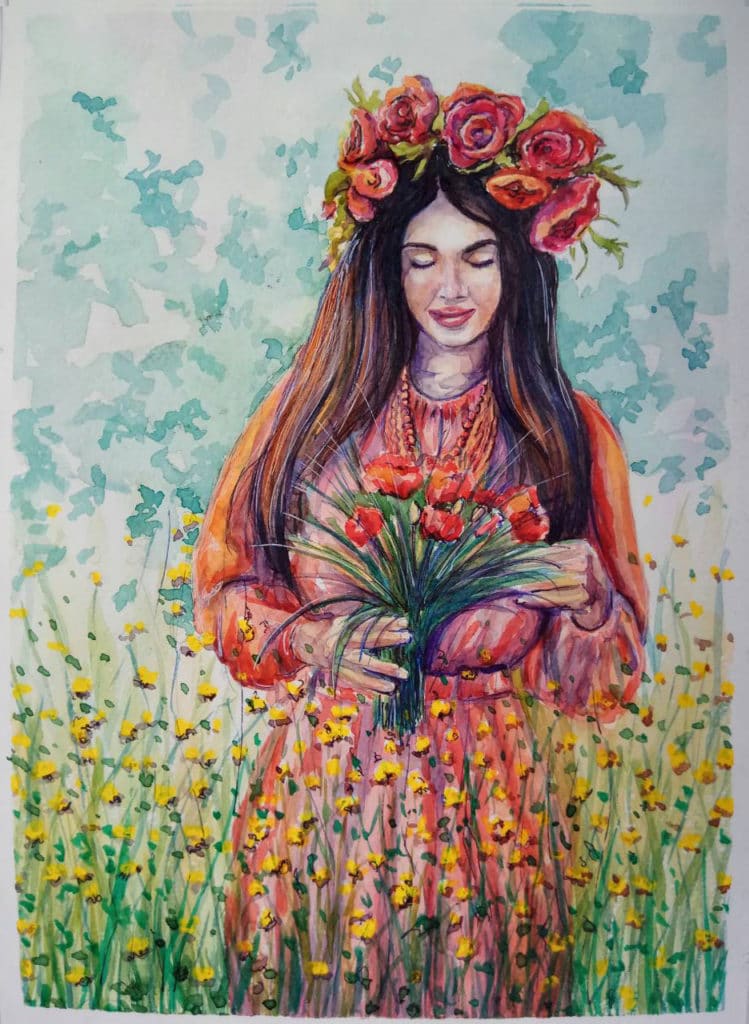
As you can see, watercolours come in great variety — in the number of colours, the form they’re sold in and, accordingly, the price. If you’re just trying watercolour for the first time or buying paints for a child, don’t go for the biggest professional sets — start with simple watercolours, and once you’ve gained experience, professional paints will always help you create the most beautiful, vibrant painting. You can choose any of these paints — each has its pros and cons. The main thing is that creativity always inspires. And a painting made by you or your child will bring joy for many years 😉


